
News,
Carbon Capture: A Key Technology for Net Zero
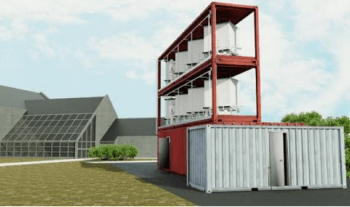
Understanding Carbon Capture
Carbon capture and storage (CCS) technology captures CO₂ emissions from industrial processes and power generation, preventing them from entering the atmosphere. The captured carbon can then be:
- Stored permanently in geological formations
- Utilised in industrial processes
- Converted into useful products
Why Carbon Capture Matters
Whilst renewable energy is essential for decarbonisation, some industrial processes will continue to produce CO₂ emissions. Carbon capture provides a solution for:
Heavy Industry: Steel, cement, and chemical production where emissions are difficult to eliminate entirely.
Power Generation: Supporting reliable energy supply whilst reducing emissions from existing infrastructure.
Negative Emissions: When combined with bioenergy, CCS can actually remove CO₂ from the atmosphere.
Integration with Renewable Energy
Carbon capture technology complements renewable energy systems in several ways:
Power-to-X Synergies
B9 Energy's Power-to-X technologies can utilise captured CO₂ to produce sustainable fuels like green methanol, creating a circular carbon economy.
Energy System Flexibility
CCS-equipped facilities can provide dispatchable power to complement intermittent renewable sources, supporting grid stability.
Industrial Decarbonisation
By capturing emissions from industrial processes, CCS enables continued operation of essential industries whilst reducing their climate impact.
B9 Energy's Approach
At B9 Energy, we take a holistic view of decarbonisation:
- Renewable Generation: Solar PV, biogas, and hydrogen systems
- Energy Storage: Battery systems and Power-to-X solutions
- Carbon Management: Supporting carbon capture integration with renewable systems
- Sustainable Fuels: Green methanol and other Power-to-X products
Northern Ireland's Opportunity
Northern Ireland is well-positioned to become a hub for integrated carbon management and renewable energy:
- Existing industrial infrastructure
- Strong renewable energy resources
- Strategic location for shipping and transport
- Supportive policy environment
Policy and Investment
The UK Government's commitment to Net Zero has driven significant investment in carbon capture projects. The recent approval of our Green Shipping Corridor project demonstrates this support for innovative decarbonisation solutions.
Looking Forward
Carbon capture will play an increasingly important role in achieving Net Zero, particularly when integrated with renewable energy and sustainable fuel production. B9 Energy is committed to developing solutions that combine these technologies effectively.
Challenges and Solutions
Whilst carbon capture technology faces challenges including cost and infrastructure requirements, ongoing innovation is addressing these issues:
- Cost Reduction: Technological advances and economies of scale are reducing capture costs
- Infrastructure Development: Investment in CO₂ transport and storage infrastructure
- Policy Support: Government incentives and carbon pricing mechanisms
- Integration: Combining CCS with other low-carbon technologies
The Path to Net Zero
Achieving Net Zero requires a portfolio approach, combining:
- Maximum renewable energy deployment
- Energy efficiency improvements
- Electrification of transport and heating
- Carbon capture for residual emissions
- Nature-based solutions
B9 Energy's expertise spans these areas, enabling us to deliver comprehensive decarbonisation solutions for our clients.
If your organisation is exploring carbon management strategies or interested in integrated renewable energy and carbon capture solutions, B9 Energy can help. Our team combines technical expertise with practical project delivery experience.
Contact us to discuss how we can support your journey to Net Zero.
Stay informed about the latest developments in carbon capture and renewable energy by following B9 Energy on LinkedIn.
Talk to B9 Energy
Power-to-X, hydrogen, landfill gas, food waste or consultancy: tell us what you're planning.