
Turning surplus wind power into fuel
B9 Energy Storage develops Power-to-X projects. When wind farms in Northern Ireland generate more than the grid can take, they are turned down and the power is lost. This is called curtailment.
Power-to-X uses that surplus electricity to make hydrogen, and fuels made from hydrogen, which can be stored and moved for use in transport, heat and industry.
Projects
Ballylumford Power-to-X
With about £1M from BEIS's Longer Duration Energy Storage (LODES) programme, B9 Energy Storage led a 12-month FEED study for a 20MWe electrolyser at Ballylumford, near Larne. The design would have stored the hydrogen in local salt caverns and tested it as a fuel for a gas turbine. The FEED study was completed, but the project could not go ahead because of the grid connection dates available.
About the Ballylumford project
Maritime Power-to-X
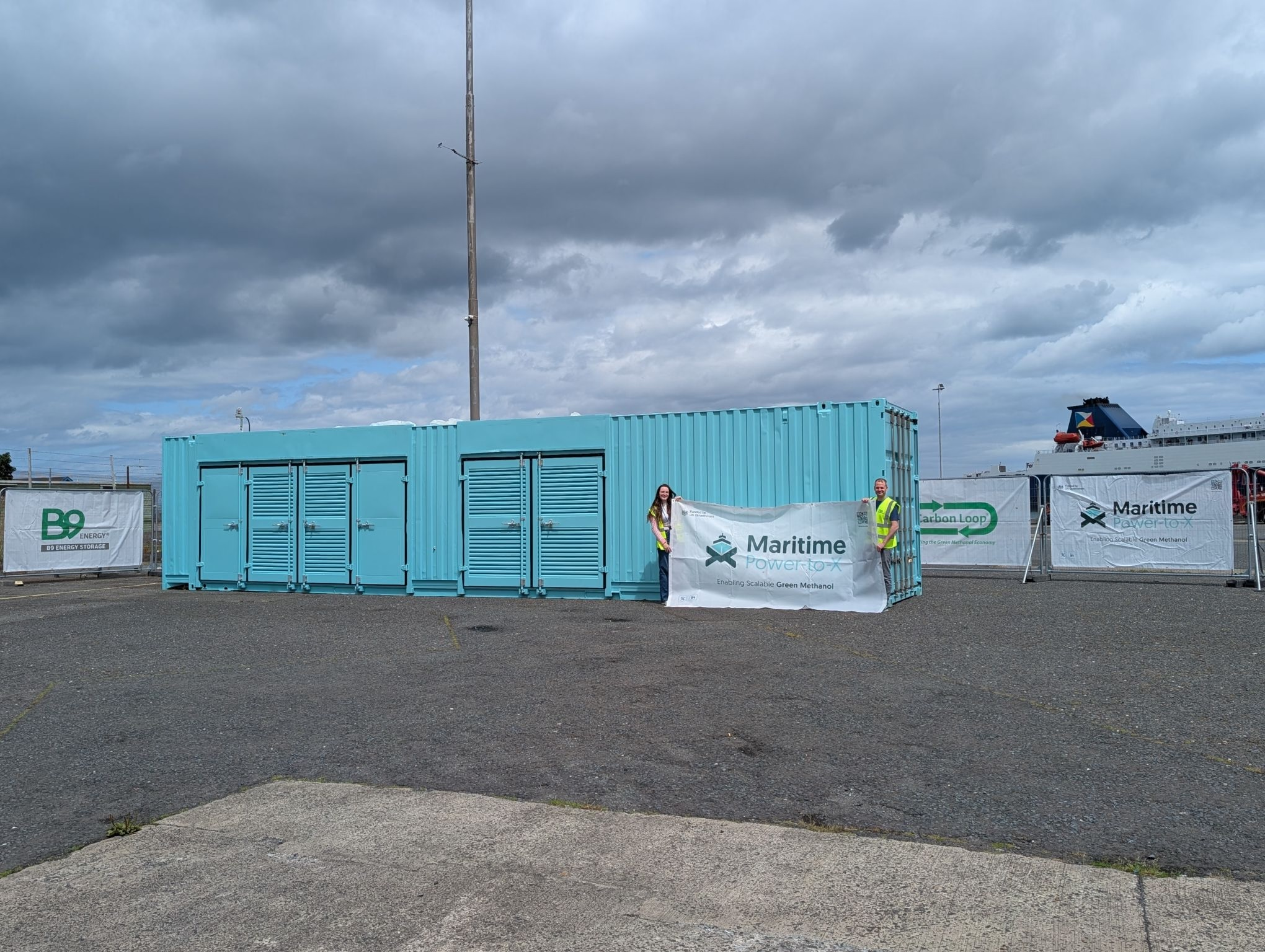
The NI/GB Green Shipping Corridor project was funded by the Department for Transport through Innovate UK (CMDC4). B9's partners were DFDS, JG Maritime, Larne Harbour, Mutual Energy and Teesside University. In 2024–25 the feasibility study and pre-deployment trials looked at making green methanol at the Port of Larne for freight ferries. CO₂ captured on board would be returned to the port and reused.
What Power-to-X is for
Longer-duration storage
Hydrogen and the fuels made from it can store energy for days, weeks or longer, covering wind lulls and seasonal gaps, so more wind power can join the grid without making it less stable.
Sectors that are hard to electrify
Hydrogen from a Power-to-X plant could also supply buses, HGVs, industry and heat networks.
Fuel for ships
Hydrogen can be combined with CO₂ to make green methanol, a liquid fuel that is easier to store and ship than hydrogen gas.
More about green methanol
Talk to us about Power-to-X
Tell us about the renewable power, the site and the fuel or chemical you need.