
Green methanol for shipping
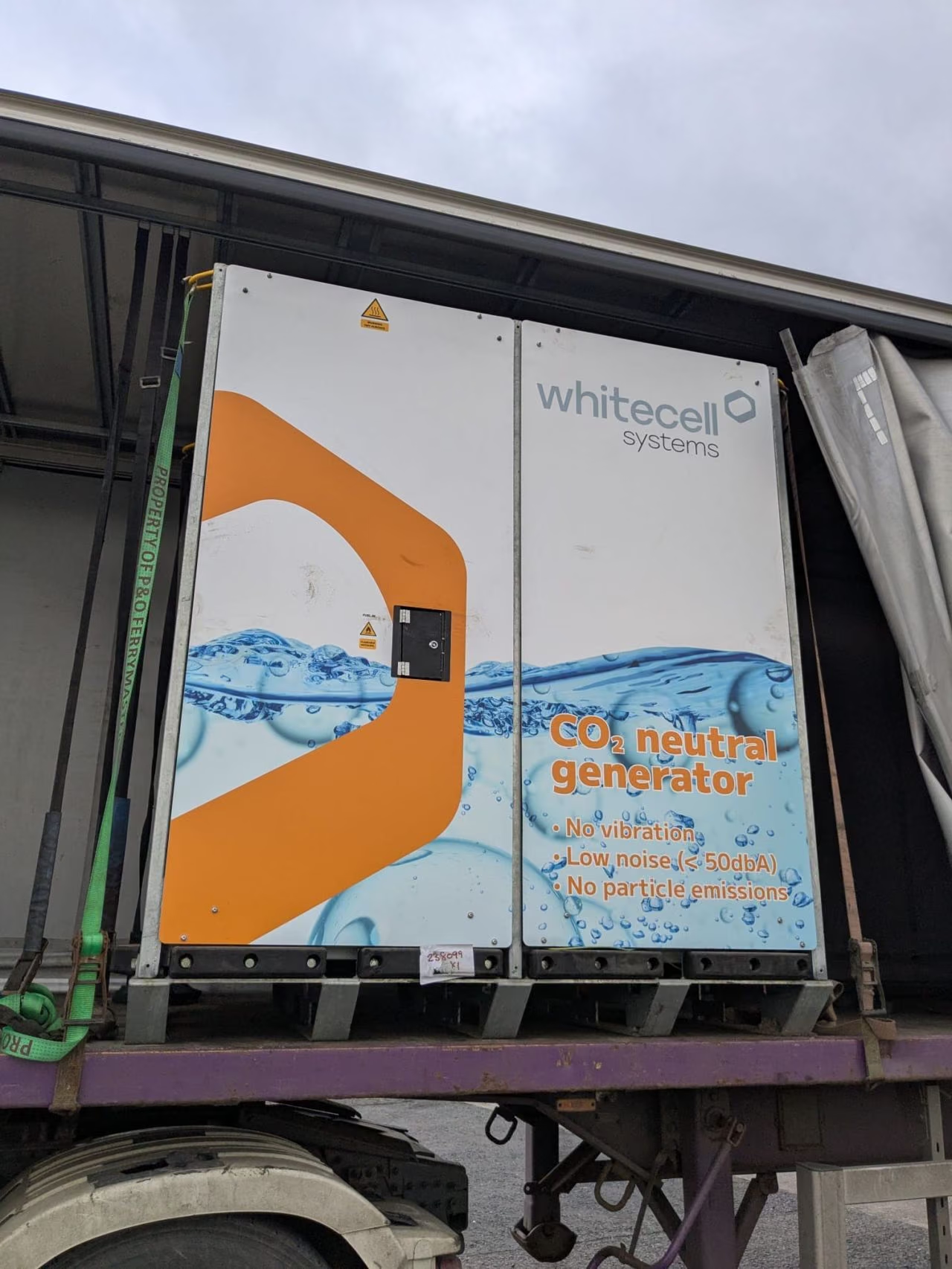
B9 Energy Storage led the Maritime Power-to-X project (2024–25). It studied making green methanol at the Port of Larne to fuel freight ferries, using green hydrogen and CO₂ captured on board the ferry and shipped back to port. The aim was zero emissions at the vessel, with the CO₂ recycled through a closed loop.
Methanol is liquid at normal temperatures and needs neither high pressure nor very low temperatures, so it is much easier to store and ship than hydrogen gas. It can be bunkered from ISO tank containers, without new fuel infrastructure at the port.
Maritime Power-to-X
- Funding
- Department for Transport, through Innovate UK (CMDC4)
- Partners
- DFDS, JG Maritime, Larne Harbour, Mutual Energy, Teesside University
- Dates
- 2024–25
- Status
- Feasibility study and pre-deployment trials completed
The carbon loop
The design studied in Maritime Power-to-X, from wind power at the port to the ferry and back.
Hydrogen from surplus wind
An electrolyser at the port, powered by wind power that would otherwise be curtailed, makes green hydrogen.
Methanol made at the port
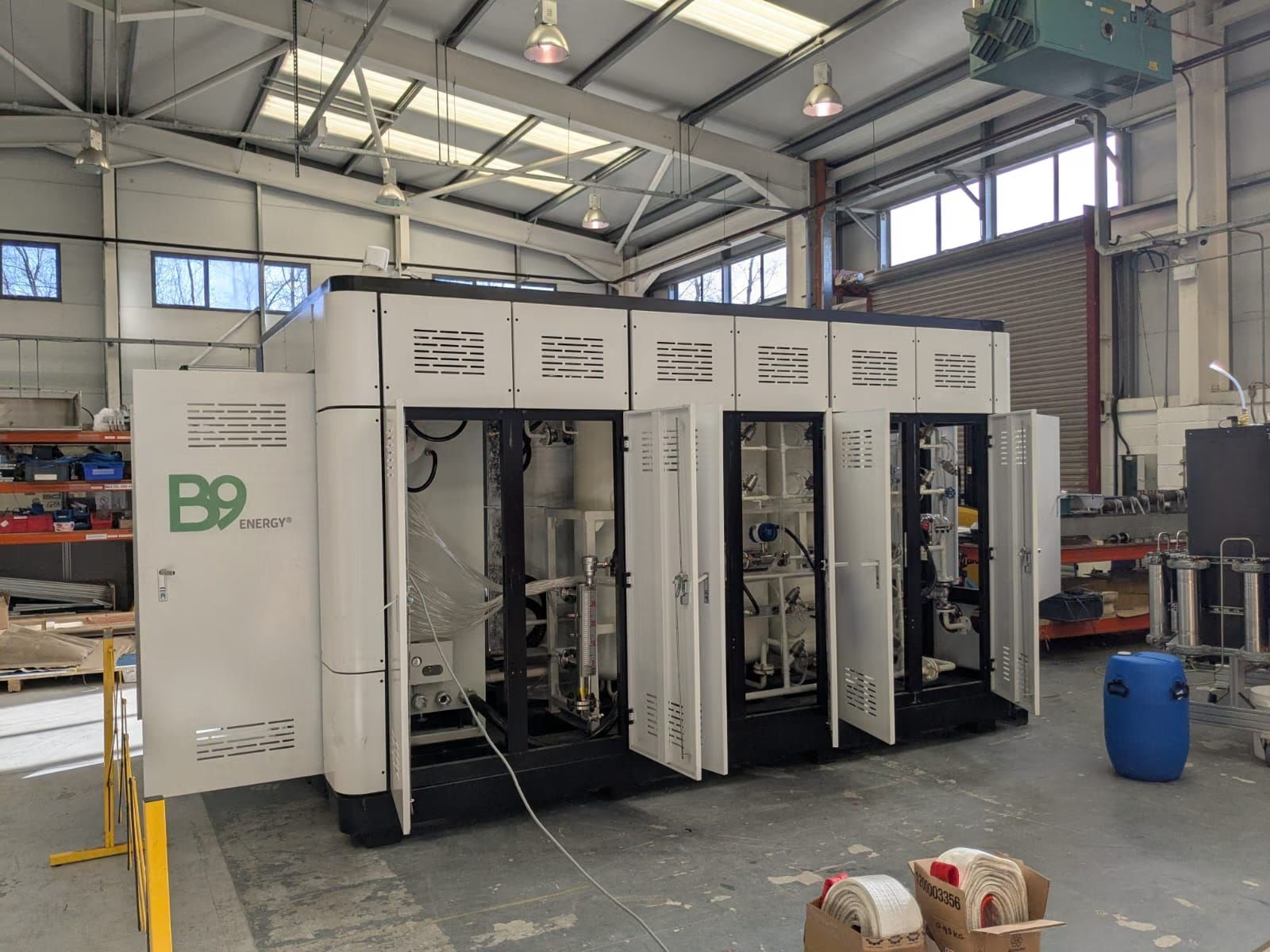
The hydrogen and CO₂ are combined in a catalytic reactor under heat and pressure to form methanol (CH₃OH).
Hydrogen again on board
On the ferry, the methanol is reformed back into hydrogen to feed a fuel cell, which powers the vessel.
CO₂ returned to port
CO₂ from the onboard reformer is captured and shipped back in the same ISO tank containers that delivered the methanol, to be made into methanol again.
Talk to us about green methanol
Whether you're a potential fuel user or partner, tell us about the project.